
| |||||||||
Telling the TimeDevelop skills required for telling the time with these easy preschool math activities. Skills for Telling the Time
1. Recognise numbers: up to 12 for analogue clocks and up to 59 for digital clocks Activities: 2. Understand units for measuring time: A child must know that there are 60 seconds in a minute and 60 minutes in an hour, 24 hours in a day and have some understanding of how long these units of time are. Activities:
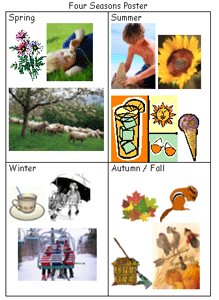
3. Count in fives up to sixty 4. Understand simple fractions: quarter, half Activities: fold paper into quarters, cut sandwiches, apples etc. into fractions 5. Understand digital and analogue clocks Activities: 6. Understand that time passes:This includes days, weeks, months, years as well as seconds, minutes and hours. Activities: Make a seasons poster or scrapbook. Top of Telling the Time
Steps for Telling the Time
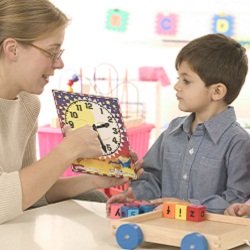
Take it slowly and do not necessarily expect your child to complete learning all of the above at preschool level. 1. Concentrate on telling the time 'on the hour' to start with. 2. When your child has learned this, then introduce the half hours. 3. Then teach the quarters - 'quarter to' and 'quarter past' which are much more difficult. 4. After this stage encourage your child to use 'nearly' and 'just gone' or 'just past' before moving on to the concept of five minute intervals. Top of Telling the Time Other Time-related activitiesMake a clock for telling the timeYou will need per child/per clock: Study shadowsTake your children outside during the morning and let them see the length of their shadows. Trace around them with chalk. At midday, return to the same spot and trace the shadows of each child again with another colour chalk. Return again during late afternoon and trace their shadows for a third time. Ask for their observations. Learn about the passing of timeTime is an abstract notion for many young children. Around 8 years of age they begin to notice passing time. If you have a photo album or photos on your compuer show your children the pictures of themselves over the past year. Look at the different clothing they were wearing and the activities they were doing at different times (seasons) of the year. Develop a Four Seasons Theme or make a Seasons Poster
Days of the week and monthsTeach your children how many days there are in a week and the names of the days of the week.
Thirty days hath September, April, June and November The children can count this out on their knuckles starting from the baby finger knuckle on the left hand. All the knuckles represent months with 31 days and the dips between the knuckles represent the months with 30 days, except for February.
Here are more Tips for Teaching Preschool Maths. More Preschool Math Activities Shape Printable Shape Recognition Activities Build a House Shapes Math Activity Measurement Rain Gauge Activity Paper Plane Math Activity Number Recognition Draw a Face Math Game Dot-to-dot Math Activity Bonds and Addition Facts Spiders Math Activity Ladybug Math Activities Snap Math Game |
 
|
||||||||
|
[?] Subscribe To This Site
|
|||||||||
|
Copyright © 2005-2020, Shirleys Preschool Activities.com All Rights Reserved. | |||||||||









New! Comments
Have your say! Leave a comment in the box below.