
| ||
Preschool Science and Nature StudyActivities for preschool science and nature study to encourge your children to explore plants and animals and enjoy the outdoors. Nature Study
1. Plant beans, lentils or grass seeds in a small container and let your children watch them grow. Bean seeds will germinate in damp cotton wool, which makes the stages of germination easy to observe. 2. Try growing an avocado pear pip suspended in the mouth of a jar of water. The bottom half should be below the water level. Stick a few matches into it to balance it across the mouth of the bottle. 3. Talk about seeds and their role in the reproduction of plants. Collect seeds and figure out how they are dispersed by the plant.
4. If you can, allow your children to have a small vegetable patch. Try growing carrots, lettuces, radishes, tomatoes, beans, corn or other vegetables that will grow in your area. 5. Grow carrots tops in a saucer of water on a windowsill. Top of Preschool Science and Nature Study
Pick a flower, like a petunia, which has easily identifiable parts and teach your children about pollination.
Start a compost heap by building layers of soil, dried twigs, grass cuttings and vegetable peels and waste from your kitchen. Top of Preschool Science and Nature Study
Observe the growth of leaves on plants throughout the year. Compare evergreen plants with deciduous plants through the seasons. Collect fallen leaves and make a Leaf Mobile
Learn about the life cycles and reproduction of animals. Either observe animals in your area like frogs/tadpoles, or let your children keep silkworms and learn about their lifecycles. Study the Frog Life Cycle and do these Frog Science Activities as an extension. The Lifecycle of the ButterflyA Hungry Caterpillar based on the story book, The Very Hungry Caterpillar by Eric Carle.This story book is wonderful for children aged 1-6 and the lapbook is best suited for ages 3-6. It includes the lifecycle of the butterfly, healthy foods, days of the week, counting and colours. Top of Preschool Science and Nature Study
Feed the birds that frequent your area and let your children begin to identify them. Set out bird feeders or a bird table. If necessary, get a nature guide and learn the names of them together. Learn about what foods they eat and then observe how the beaks of different birds are suited to their food types. Fly, Eagle, Fly!I created my own lapbook for ages 4-8 based on Fly, Eagly, Fly! An African Tale by Nicky Daly.This lapbook would fit in beautifully with a study of birds of prey, as it is about an eagle and the story is set in a rural South African village. Click here for a more detailed description or here to PURCHASE this lapbook instantly.
Observe and identify other animals that may be found in your area: spiders, butterflies, bees and other insects, tortoises, lizards, snakes or other small reptiles, mice, bats, rabbits, other small wildlife. Top of Preschool Science and Nature Study
More Preschool Science for Kids
Most science involves a lot of observation of natural events and a little bit of experimenting in controlled environments to test hypotheses. This article explains where you should begin with science for kids. 
Easy Science Activities Everyday Find easy science experiments for kids that you can do everyday in your home and environment. 
Science is always a favorite, thanks to this wonderful science curriculum. They loved the hands-on learning that these kids science experiments offer. Easy Science Experiments for Kids Evaporation Science Experiment
Soap Bubbles Soap Experiment Salt Solution Evaporation Experiment Sugar Crystals Experiment Sugar Tower Absorption Experiment Capillary Action Experiments Surface Tension Experiment |
What science for kids have you done? See the tried and tested preschool science activities submitted by visitors to this site. Get ideas or upload a photo and share YOUR kids science with us all.Ocean Theme Lapbook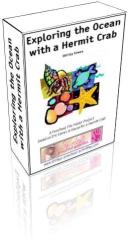 Exploring the Ocean with a Hermit Crab Use this preschool ocean theme lapbook based on A House for Hermit Crab by Eric Carle to enhance your studies of marine life. The printable project pack includes the following topics:
Click below for more info or to purchase and download it instantly: Exploring the Ocean with a Hermit Crab
|
|
|
[?] Subscribe To This Site
|
||
|
Copyright © 2005-2020, Shirleys Preschool Activities.com All Rights Reserved. | ||




New! Comments
Have your say! Leave a comment in the box below.